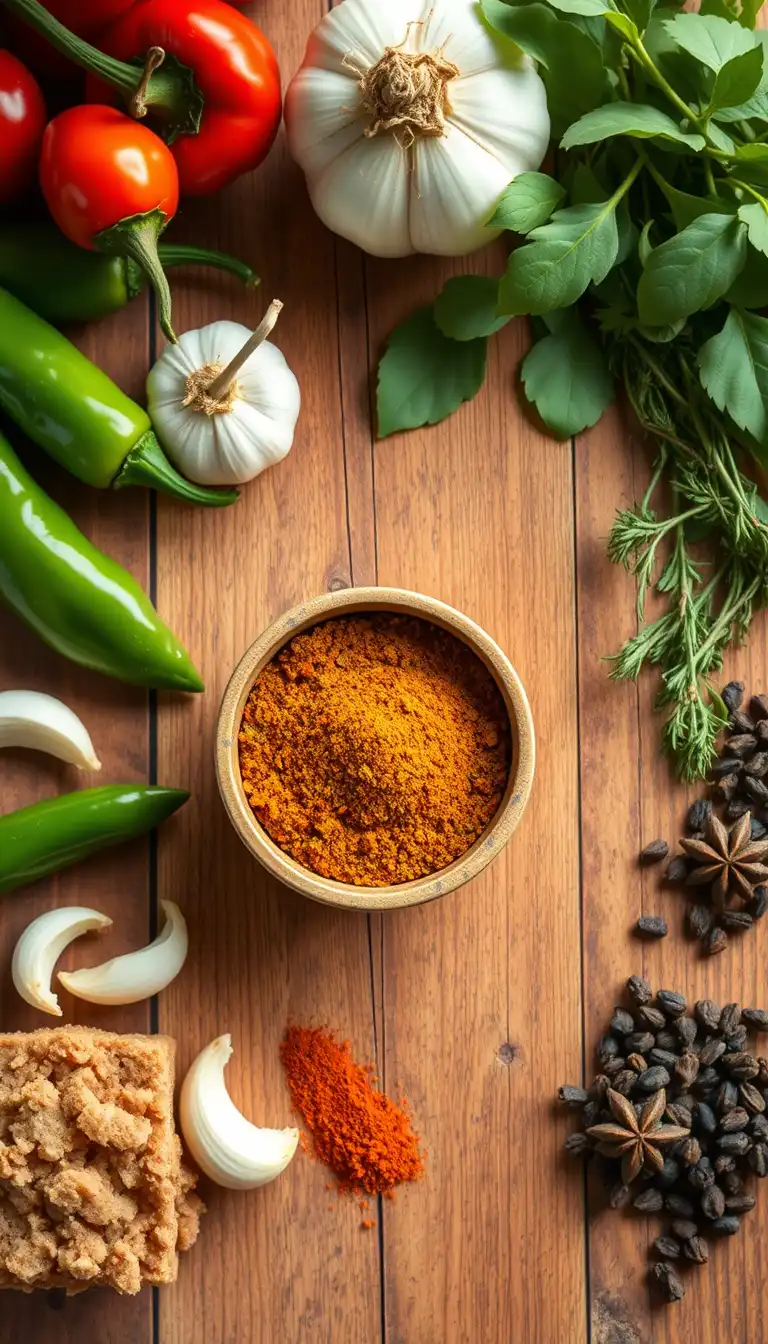
The Allure of Homemade Jerk Seasoning: Unlock Authentic Caribbean Flavors
There’s a certain magic to jerk. It’s more than just a flavor profile; it’s a cultural cornerstone, a culinary tradition that transports you straight to the sun-drenched beaches and vibrant markets of Jamaica with every aromatic whiff. While store-bought options are available, nothing compares to the depth, freshness, and customizable heat of a homemade jerk seasoning recipe. Crafting your own allows you to control the quality of ingredients, adjust the spice level to your preference, and truly capture the intricate balance of sweet, savory, pungent, and fiery notes that define authentic jerk.
Imagine succulent chicken, smoky pork, or tender fish infused with a marinade that's bursting with the essence of allspice, thyme, fiery Scotch bonnets, and fresh aromatics. This article will guide you through the secrets to creating the best jerk seasoning at home, ensuring your dishes sing with a taste of the Caribbean.
Understanding the Soul of a Classic Jerk Seasoning Recipe
At its heart, jerk seasoning is a complex symphony of flavors, where no single note dominates for long. It’s an interplay of heat, sweetness, earthiness, and a distinct pungency that makes it utterly unique. To master your own quick & easy jerk spice blend for incredible flavor, it's crucial to understand the role each core ingredient plays.
Essential Ingredients for Your Jerk Seasoning Recipe
- The Heat: Scotch Bonnet Peppers
This is non-negotiable for authentic jerk. Scotch bonnets provide a fruity, intense heat that is distinct from other chilies. If you can’t find them, habaneros are a decent substitute, but they lack the specific fruitiness. Tip: Always wear gloves when handling these peppers to avoid skin irritation.
- The Aromatic Foundation: Scallions, Onion, Garlic, Ginger
These fresh ingredients form the aromatic backbone. Scallions (green onions) bring a mild, oniony freshness, while yellow onion adds a deeper, sweeter base. Fresh garlic and ginger provide pungent, zesty notes that awaken the palate.
- The Defining Spice: Allspice (Pimento)
This is the true star. Allspice, native to Jamaica, gets its name because its flavor profile resembles a blend of cloves, cinnamon, and nutmeg. It's the most crucial dry spice in any jerk seasoning recipe, providing that characteristic warmth and depth. Whole allspice berries, freshly ground, offer a superior aroma and flavor.
- The Herbaceous Touch: Fresh Thyme
Thyme adds an earthy, slightly minty, and peppery note that complements the other strong flavors beautifully. Fresh thyme is preferred for its vibrant aroma.
- The Sweet and Savory Balance: Brown Sugar & Soy Sauce
Brown sugar provides a caramel sweetness that perfectly balances the heat and enhances the smoky char of grilled jerk. Soy sauce (or tamari for a gluten-free option) adds umami, depth, and a touch of saltiness.
- The Warming Spices: Nutmeg, Cinnamon, Cloves
These spices, often found alongside allspice in Jamaican cuisine, further deepen the flavor profile, adding layers of warmth and complexity. A small amount goes a long way.
- The Tang & Moisture: Vinegar and Lime Juice
Apple cider vinegar or white vinegar contributes a necessary tang, cutting through the richness and brightening the overall flavor. Fresh lime juice adds a vibrant, citrusy lift.
- Other Common Additions: Black Pepper, Salt, Olive Oil
Freshly cracked black pepper adds another layer of mild heat and pungency. Salt is essential for seasoning, and olive oil helps to create a cohesive paste and carry the fat-soluble flavors.
Crafting Your Signature Jerk Seasoning: Step-by-Step
Making your own jerk seasoning is a straightforward process, primarily involving a food processor or blender. The magic happens when the fresh ingredients are finely minced and allowed to meld.
Basic Jerk Seasoning Paste Recipe Outline
- Gather Your Fresh Ingredients:
- 4-6 Scotch bonnet peppers (remove seeds for less heat, but remember much of the flavor is in the seeds/membranes)
- 1 large bunch scallions (about 8-10 stalks), roughly chopped
- 1 medium yellow onion, roughly chopped
- 6-8 cloves garlic, peeled
- 2-inch piece fresh ginger, peeled and roughly chopped
- 4-5 sprigs fresh thyme, leaves removed
- Measure Your Dry Spices and Liquids:
- 3-4 tablespoons freshly ground allspice (or whole berries)
- 1-2 tablespoons brown sugar (adjust to taste)
- 1 tablespoon black pepper
- 1 teaspoon ground nutmeg
- 1 teaspoon ground cinnamon
- ½ teaspoon ground cloves
- 2-3 tablespoons soy sauce
- 2-3 tablespoons apple cider vinegar
- 1-2 tablespoons fresh lime juice
- 1-2 tablespoons olive oil
- 1-2 teaspoons salt (or to taste)
- Blend It All Together:
Combine all fresh ingredients (peppers, scallions, onion, garlic, ginger, thyme) in a food processor. Pulse until finely minced. Add all the dry spices, brown sugar, soy sauce, vinegar, lime juice, olive oil, and salt. Process until a relatively smooth paste forms. You might need to scrape down the sides a few times. If the mixture is too thick, add a tiny bit of water or more olive oil, a teaspoon at a time, until you reach your desired consistency.
- Taste and Adjust:
This is perhaps the most crucial step. Taste a tiny bit (be careful with the heat!). Does it need more salt? More sugar to balance the heat? A touch more lime for brightness? Adjust as needed until it perfectly hits your palate.
For those who prefer a dry rub or a quicker method, a simplified blend focusing on the dried spices can also deliver fantastic results. Remember, the true essence comes from the balance. For an even more authentic approach to your jerk seasoning recipe, consider grinding your own whole allspice and other spices for maximum freshness.
Tips for Elevating Your Homemade Jerk Seasoning
Even with a solid recipe, a few insider tips can take your homemade jerk seasoning from good to extraordinary:
- Grind Your Own Spices: While pre-ground spices are convenient, whole allspice berries, peppercorns, and even cinnamon sticks, freshly ground just before mixing, release a significantly more potent and fragrant aroma. A spice grinder or a mortar and pestle will be your best friend.
- Don't Fear the Fresh: The vibrant flavors of fresh scallions, ginger, garlic, and especially Scotch bonnets are what truly set homemade jerk seasoning apart from store-bought versions. Don't skimp on these.
- Balance the Heat: The number of Scotch bonnets can be adjusted. For a milder version, use fewer peppers or remove more of the seeds and membranes. For extreme heat, leave them all in. Always taste responsibly!
- The Power of Resting: Like a fine wine, homemade jerk seasoning benefits from resting. After blending, transfer it to an airtight container and let it sit in the refrigerator for at least a few hours, or even overnight. This allows the flavors to meld and deepen, resulting in a more harmonious blend.
- Toast Your Dry Spices (Optional): Gently toasting whole allspice and other dry spices in a dry pan for a minute or two before grinding can awaken their essential oils and intensify their flavor, adding another layer of complexity.
- Use Good Quality Ingredients: Since you're using so many fresh elements, the quality really shines through. Opt for fresh, vibrant produce and good quality soy sauce and brown sugar.
Storing and Using Your Homemade Jerk Seasoning
Once you've perfected your batch, proper storage ensures you can enjoy your flavorful creation for weeks or even months:
- Storage: Store your homemade jerk seasoning paste in a clean, airtight glass jar in the refrigerator. It will typically last for 1-2 weeks. For longer storage, you can freeze it in ice cube trays or small freezer-safe containers for up to 3 months. Dry jerk rubs, without fresh ingredients, can last in a cool, dark pantry for up to 6 months.
- Usage Ideas:
- Classic Jerk Chicken/Pork: Rub generously onto chicken pieces (especially thighs and drumsticks) or pork shoulder. Marinate for at least 4 hours, or preferably overnight. Grill, smoke, or bake until cooked through and beautifully charred.
- Seafood: A lighter application works wonders on fish fillets (snapper, cod) or shrimp. Marinate for 30 minutes to 1 hour before grilling or pan-searing.
- Vegetarian Options: Tofu, tempeh, portobello mushrooms, and hearty vegetables like cauliflower steaks or sweet potatoes absorb jerk flavors beautifully.
- Flavor Booster: Stir a teaspoon or two into stews, soups, or even a barbecue sauce for an exotic kick.
Conclusion
Making your own jerk seasoning at home is a rewarding culinary adventure that promises to elevate your cooking to new heights. By understanding the core ingredients, mastering the art of blending, and applying a few key tips, you can create a jerk seasoning recipe that truly captures the vibrant spirit of Jamaica. Embrace the process, experiment with the balance, and get ready to infuse your meals with an unforgettable burst of authentic Caribbean flavor. Happy jerking!
