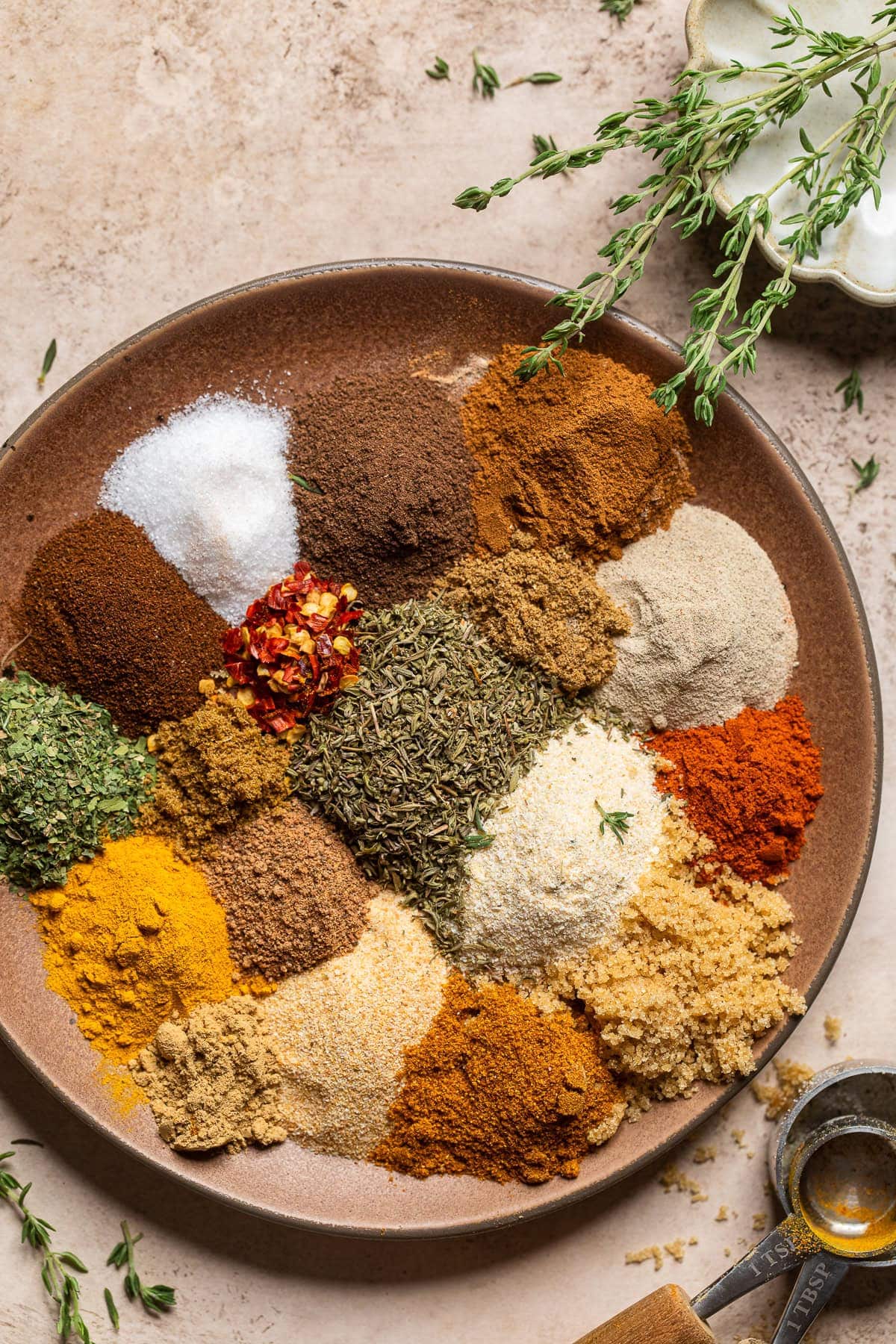
Craft Your Own Authentic Jerk Seasoning Recipe: A Journey to Jamaican Flavors
There are few culinary experiences as vibrant and unforgettable as genuine Jamaican jerk. The moment that smoky, spicy, and deeply aromatic flavor hits your palate, you understand why it's a global sensation. While many excellent pre-made options exist, nothing quite compares to the depth, freshness, and customizability of a homemade jerk seasoning recipe. Crafting your own allows you to control the heat, balance the spices, and truly infuse your dishes with the soul of the Caribbean.
Forget bland, one-note flavors. This comprehensive guide will take you on a flavorful journey, empowering you to create a jerk seasoning that will elevate your cooking and transport your taste buds straight to the sun-drenched shores of Jamaica. Get ready to awaken your senses and discover the true art behind this iconic spice blend.
The Soul of Jamaican Cuisine: Understanding Jerk Seasoning
To truly appreciate and master a jerk seasoning recipe, it's essential to understand its roots and defining characteristics. Jerk is more than just a flavor; it's a tradition, a cooking method, and a cultural cornerstone of Jamaica. Historically, the Maroons—Africans who escaped slavery and formed communities in the Jamaican mountains—developed the "jerking" technique. They would spice and slow-cook wild hogs over pimento wood fires, creating intensely flavored, tender meat.
The seasoning itself is a complex symphony of flavors: spicy, savory, sweet, and incredibly aromatic. At its heart lies the potent Scotch bonnet pepper, providing its signature fiery kick. This heat is beautifully complemented by the earthy, warm notes of allspice (pimento), which is arguably the most crucial dry spice in any authentic jerk blend. Garlic, ginger, thyme, scallions, nutmeg, cinnamon, and cloves weave together to create a multi-layered profile that's both invigorating and comforting.
Understanding these foundational elements is the first step to developing a jerk seasoning recipe that doesn't just taste good, but tastes authentic.
Essential Ingredients for Your Authentic Jerk Seasoning Recipe
The magic of jerk lies in the harmonious blend of specific, potent ingredients. Sourcing fresh, high-quality components is paramount for a truly outstanding homemade jerk seasoning recipe. Here’s a breakdown of what you'll need and why each element is crucial:
The Fiery Foundation: Scotch Bonnet Peppers
- Scotch Bonnet Peppers: These vibrant, fruity, and extremely hot peppers are non-negotiable for authentic jerk. Their unique flavor profile, distinct from other chilies like habaneros (though habaneros can be a substitute in a pinch, expect a slightly different flavor), is what gives jerk its characteristic warmth and zing.
- Tip: Always wear gloves when handling Scotch bonnets and avoid touching your face, especially your eyes. For less heat, you can remove some or all of the seeds and membranes.
Aromatic Anchors: Herbs and Alliums
- Scallions (Green Onions): Provide a fresh, oniony bite that brightens the blend.
- Yellow Onion: Adds a deeper, more pungent onion flavor.
- Fresh Ginger: Contributes a spicy, pungent, and warming note.
- Garlic Cloves: Essential for its robust, savory depth.
- Fresh Thyme: Earthy, peppery, and slightly minty, thyme is a staple in Caribbean cooking.
The Spice Cabinet's Stars: Warm and Earthy
These dry spices are the backbone of the seasoning's complex aroma and flavor profile. Always opt for fresh, whole spices if possible and grind them yourself for maximum potency.
- Allspice (Pimento) Berries: This is the most critical dry spice. Its name suggests a blend of flavors (clove, nutmeg, cinnamon), and it’s what truly defines the jerk taste. If using whole berries, lightly toast them in a dry skillet for 1-2 minutes until fragrant, then grind them for enhanced aroma.
- Ground Nutmeg: Adds a sweet, warm, and slightly woody flavor.
- Ground Cinnamon: Contributes a sweet, woody, and fragrant warmth.
- Ground Cloves: Intense, sweet, and pungent, cloves round out the warm spice blend.
- Black Pepper: Provides a subtle heat and pungent aroma.
Sweet, Tangy & Umami Balancers
- Brown Sugar (or Molasses): Crucial for balancing the heat and acidity, adding a touch of sweetness and caramel notes that aid in caramelization during cooking.
- Soy Sauce: Adds a savory, umami depth and a hint of saltiness.
- Lime Juice (or Vinegar): Provides essential acidity, brightening the flavors and helping to tenderize meat.
- Olive Oil (or Vegetable Oil): Helps to emulsify the paste, carry flavors, and ensure it coats ingredients evenly.
Crafting Your Signature Jerk Seasoning Recipe: Step-by-Step Guide
Now, let’s bring all these incredible ingredients together to create your very own authentic jerk seasoning recipe. This recipe yields a robust wet paste, perfect for marinating.
Ingredients (for a generous batch – adjust to your needs):
- 4-6 Scotch bonnet peppers (adjust to heat preference, deseed for less heat)
- 1 large yellow onion, roughly chopped
- 1 bunch scallions, roughly chopped
- 8-10 cloves garlic, peeled
- 2-inch piece fresh ginger, peeled and roughly chopped
- 1/4 cup fresh thyme leaves
- 1/4 cup allspice berries (or 2 tablespoons ground allspice)
- 2 tablespoons brown sugar (or dark molasses)
- 1 tablespoon ground nutmeg
- 1 tablespoon ground cinnamon
- 1 teaspoon ground cloves
- 1 tablespoon black pepper
- 1/4 cup soy sauce
- 1/4 cup fresh lime juice (from 2-3 limes)
- 2 tablespoons olive oil (or vegetable oil)
- 1-2 teaspoons salt (to taste)
Instructions:
- Prepare the Fresh Ingredients: Wearing gloves, carefully stem and roughly chop the Scotch bonnet peppers. If you prefer less heat, remove the seeds and white membranes. Roughly chop the onion, scallions, garlic, and ginger. Pick the thyme leaves from their stems.
- Grind Dry Spices (if using whole): If you have whole allspice berries, lightly toast them in a dry skillet for 1-2 minutes until fragrant, then grind them in a spice grinder or mortar and pestle. Combine with ground nutmeg, cinnamon, cloves, and black pepper.
- Combine and Blend: Add the chopped Scotch bonnets, onion, scallions, garlic, ginger, thyme leaves, and the ground (or pre-ground) dry spices into a food processor.
- Add Liquids and Sweetener: Pour in the brown sugar, soy sauce, lime juice, and olive oil. Add 1 teaspoon of salt to start.
- Process to a Paste: Pulse the mixture, scraping down the sides as needed, until a thick, relatively smooth paste forms. You want some texture, but no large chunks. If the mixture is too thick to blend, add another tablespoon or two of oil or lime juice.
- Taste and Adjust: Transfer a small amount to a spoon and taste carefully (it will be spicy!). Adjust salt, sweetness (more brown sugar), or acidity (more lime juice) to your preference. If you crave more heat, blend in another small piece of Scotch bonnet.
- Rest for Flavor Development: For the best results, transfer your freshly made jerk seasoning to an airtight container and refrigerate for at least 2-3 hours, or ideally overnight. This resting period allows the flavors to meld and deepen beautifully.
Beyond the Recipe: Tips for Maximizing Your Jerk Flavor
Creating your homemade jerk seasoning recipe is just the beginning. To truly unlock its potential, consider these practical tips:
- Marinating Time is Key: For meats like chicken or pork, aim for a minimum of 4-6 hours, but overnight (12-24 hours) in the refrigerator yields the most profound flavor. For fish or vegetables, 30 minutes to an hour is usually sufficient.
- Storage: Your homemade wet jerk seasoning can be stored in an airtight container in the refrigerator for up to 2-3 weeks. For longer storage, portion it out and freeze it in ice cube trays or small freezer-safe bags for up to 3-4 months.
- Cooking Method: Traditional jerk is cooked low and slow over pimento wood or charcoal, imparting a distinctive smoky flavor. While not always feasible at home, using a grill, oven, or smoker can still deliver fantastic results. Basting with any leftover marinade during cooking can keep the meat moist and flavorful.
- Customization: Don't be afraid to tweak your jerk seasoning recipe. If you love heat, add an extra Scotch bonnet. If you prefer a sweeter profile, increase the brown sugar slightly. Experiment with different ratios of the dry spices to find your perfect balance. For those who appreciate a quick dry rub option, exploring a Quick & Easy Jerk Spice Blend for Incredible Flavor can be a great alternative for speedy weeknight meals.
- Versatility: While traditionally used for chicken and pork, your homemade jerk seasoning is incredibly versatile. Try it on grilled fish, shrimp, tofu, tempeh, or even roasted vegetables. You can also mix a small amount into rice, stews, or even a homemade BBQ sauce for an exotic twist. For more in-depth strategies on getting the absolute best out of your homemade concoction, be sure to check out our article on the Secrets to Making the Best Jerk Seasoning at Home.
Mastering your own jerk seasoning recipe is a rewarding culinary achievement that opens up a world of intense, complex flavors. By carefully selecting fresh ingredients and following this guide, you can create an authentic taste of Jamaica right in your kitchen. So, gather your ingredients, fire up your blender, and prepare to embark on a delicious adventure that will impress your family and friends with every flavorful bite. Enjoy the journey of crafting your signature jerk!
